5 minute read
Do You Recognize The Signs Of A Narcissist?
Do you feel drained in your relationship? Are you constantly criticized, manipulated, or feel like everything revolves around the other person? You may be dealing with a narcissist.
In this article, you'll discover the key signs of a narcissist and learn to recognize yourself in this often confusing situation.
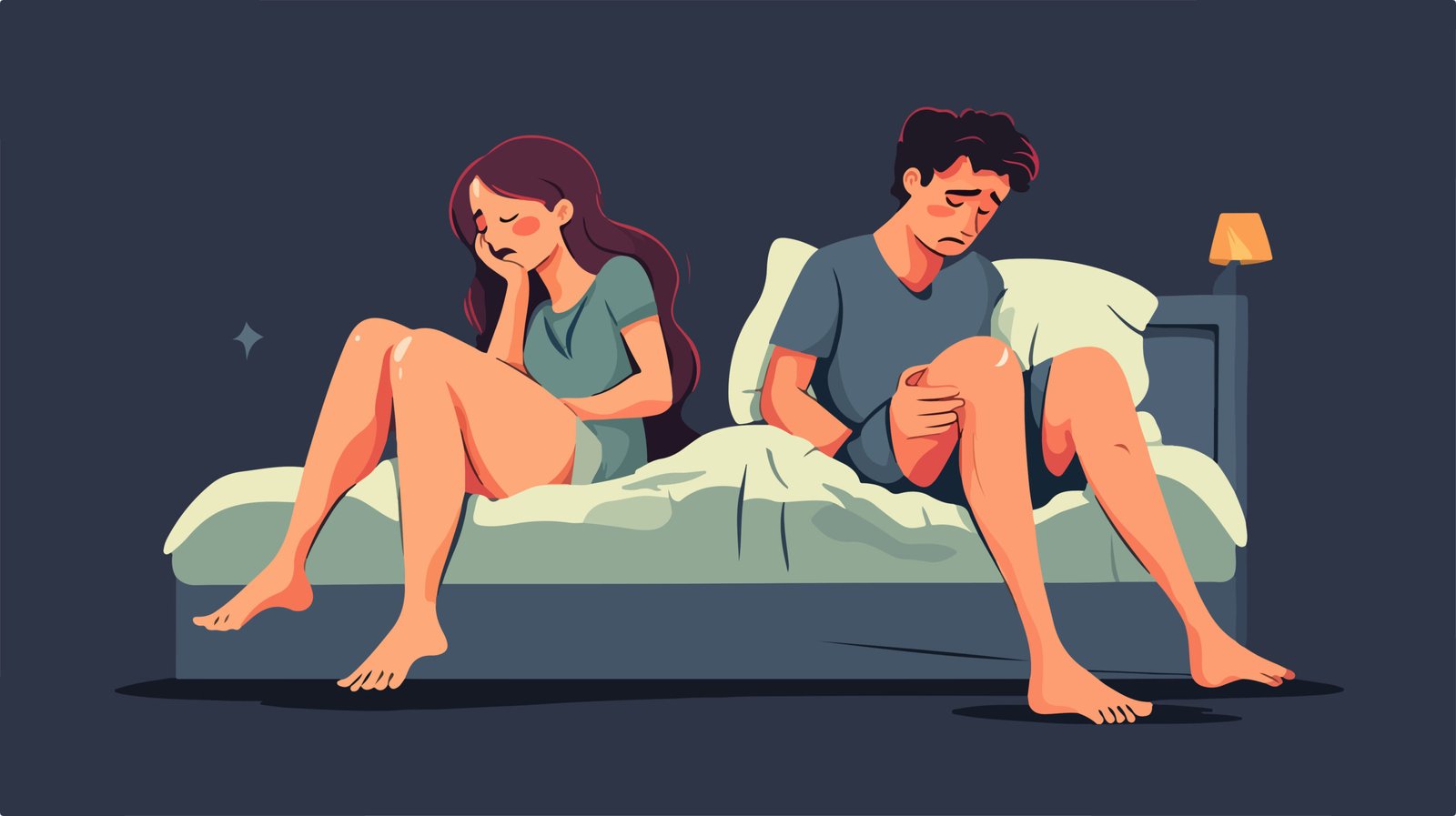
Are You Dealing With A Narcissist?
Find out in just 3 minutes with our free science based test.
🔒 Your answers are 100% confidential
✓ Taken by 25,000+ people
Why it's important to recognize narcissism: A relationship with a narcissist can lead to emotional exhaustion, reduced self-confidence, and even depression. Recognizing the symptoms is the first step toward recovery and reclaiming your identity.
What Is The Meaning Of Narcissism?

Narcissism is a personality disorder characterized by an exaggerated sense of self-worth, a constant need for admiration, and a lack of empathy for others. People with Narcissistic Personality Disorder (NPD) struggle to recognize and respect the feelings and needs of others.
It's important to understand that narcissism goes beyond self-confidence or ambition. With narcissism, everything revolves around the narcissist their needs, their ego, their story. The people around them are seen as tools to achieve their own goals or feed their ego.
Narcissist Symptoms: How To Recognize The Behavior
The symptoms of narcissistic behavior manifest in various ways in daily life. Watch for these warning signs:
Constantly Talking About Themselves
- Dominates every conversation
- Shows little interest in your story
Love Bombing & Devaluation
- Lots of attention in the beginning
- Constant criticism later
Anger Outbursts
- Extreme reactions to criticism
- Often aggressive when rejected
Takes No Responsibility
- Blames you for everything
- Never admits fault
Gaslighting
- Makes you doubt your perception
- Distorts your reality
Never Apologizes
- Refuses genuine apologies
- When they do, it's manipulative
Covert Narcissism:
The Dangerous Silent Variant
Not all narcissists are loud and obvious. Covert narcissism, also called hidden narcissism, is often harder to recognize but can be just as damaging. These narcissists present themselves as modest, sensitive, or even as victims.
Passive-aggressive behavior: Instead of open confrontation, they use subtle sabotage
Martyr complex: They present themselves constantly as the victim
Silent treatment: Emotional manipulation through distance and ignoring
Hidden superiority: They feel special, but express it in subtle ways
Extreme sensitivity to criticism: They react hurt, but take revenge later in subtle ways

Relationship With A Narcissist: The Emotional Consequences
A relationship with a narcissist often follows a predictable but destructive pattern. It begins with idealization (love bombing), where you're overwhelmed with attention and compliments. You feel special and unique. But soon the devaluation phase follows.
What A Relationship With A Narcissist Does To You:
Loss of self-confidence
Constant criticism and manipulation undermine your sense of self-worth
Emotional exhaustion
You feel constantly tense and tired
Isolation
Narcissists try to cut you off from friends and family
Confusion
Through gaslighting, you no longer know what's real and what's not
Anxiety and depression
The constant stress can lead to serious mental health issues
Guilt
You feel responsible for all the problems in the relationship


What Type Of Narcissist Are You Dealing With?
Find out if it's an overt, covert, or communal narcissist and get personal advice for your situation.
🔒 Your answers are 100% confidential
What To Do When You Recognize A Narcissist
Recognizing narcissistic behavior is the first important step. Here are strategies to deal with the situation:
1. Acknowledge The Reality
Accept that the person will probably not change. Narcissistic personality disorder is deep-rooted and most narcissists don't see themselves as the problem.
2. Set Boundaries
Learn to set clear boundaries and maintain them, even when the narcissist gets angry or tries to manipulate you.
3. Seek Professional Help
A narcissism coach specialized in narcissistic abuse can help you recover and develop healthy coping mechanisms.
4. Consider Distance Or No Contact
In many cases, the healthiest option is to distance yourself or completely break contact with the narcissist.
You're Not Alone
Thousands of people have recognized these patterns and started their recovery journey.
"

"For years, everyone told me how lucky I was. No one saw what happened behind closed doors. This site was the first place that actually understood."

— David R., 41
Survivor of covert narcissistic abuse
"

"The quiz confirmed what I already felt deep down but was too scared to admit. It gave me the courage to finally talk to a therapist."
— Emma T., 34
Left a 12-year marriage
"

"I'm 6 months no-contact now. It's the hardest and best thing I've ever done. If you're reading this and wondering if you should leave — you should."
— Nina K., 29
Now helping others in support groups
Frequently Asked Questions
In most cases, no. Narcissistic Personality Disorder is deeply ingrained and most narcissists don't believe they have a problem. Change requires years of intensive therapy — and a genuine desire to change, which is rare. Focus on what YOU can control: your boundaries and your healing.
There's a difference. Selfish people can recognize their behavior, feel genuine remorse, and change. Narcissists cannot. Key signs: Do they gaslight you? Blame you for everything? Show zero empathy? If yes, it's likely more than selfishness.
Trauma bonding. The cycle of abuse and affection creates a chemical addiction in your brain. It's not weakness — it's biology. Breaking free often requires professional support, and that's okay.
No contact means completely cutting off communication — no calls, texts, emails, or social media. It's often necessary because narcissists use any contact to manipulate and pull you back in. If you share children, look into "gray rock" method instead.
Everyone is different. Some people feel significantly better within months. For others, especially after long relationships, it can take 1-2 years or more. The key is: it DOES get better. The fog lifts. You will feel like yourself again.
The test is designed for people who suspect they're in a relationship with a narcissist — not to diagnose someone else. If you're concerned about a friend or family member, share this page with them.
Your Future Doesn't Have To Look Like Your Past
Recognizing the signs of a narcissist can be life-changing. Especially if you have a family with children.
Whether you recognize narcissist symptoms in an (ex-)partner, family member, or colleague, understanding narcissism helps you protect yourself and make healthier choices.
A relationship with a narcissist doesn't have to define your future. By recognizing the situation, setting boundaries, and seeking professional help, you can recover and rebuild a life where you are yourself again.
You deserve relationships where you feel safe, valued, and seen.
💜 Remember: Emotional abuse is real abuse. You don't need physical scars to deserve help. If you're in danger, please reach out to local authorities or a helpline.
Take Back Control In 3 Steps
Take the Test
Free narcissism assessment
Get Your Plan
Personalized advice
Find Peace
Boundaries & healing
Get Clarity About Your Situation
Start today with our free narcissism test and discover if you're dealing with a narcissist. Get immediate insight and personal advice for your situation.